


Town centres are changing faster than at any point in recent decades. Structural shifts in retail, evolving work patterns and changing leisure habits have fundamentally altered how people use urban centres. At the same time, the role of town centres as places to live has become increasingly important, with residential development now a central component of regeneration strategies.
Town centres remain civic anchors, economic hubs and focal points of local identity. For many towns and cities, regeneration of the centre is not simply desirable, it is essential to long-term economic resilience, social vitality and the creation of places where people can live as well as work and spend time.
Across many of the regeneration programmes we are currently advising on, the question is no longer whether town centres should evolve, but how that evolution can be delivered in a way that is commercially viable, socially valuable and capable of adapting over time. Increasingly, that challenge is shaped as much by viability as by vision.
Regeneration is no longer a single development exercise - it is an ongoing process of testing, learning and adapting over time. Traditional retail-led renewal is giving way to more complex, mixed-use environments designed around everyday activity rather than peak shopping footfall.
From retail anchor to mixed-use place
For much of the late twentieth century, town centre regeneration centred on retail expansion. Shopping centres and high streets were expected to generate footfall and drive wider investment. Today that model is no longer sufficient.
Successful regeneration programmes are increasingly designed as mixed-use environments combining homes as a primary use, alongside workspace, leisure, culture and community functions during shopping hours, but to create places that remain active throughout the day and evening. This reflects a broader shift in how successful urban centres operate. Places that offer a balanced mix of uses tend to be more resilient to economic change and better able to support long-term activity.
Projects such as Brent Cross Town, a landmark £4.5bn regeneration project in North West London transforming a 180-acre urban brownfield site into a fully integrated town centre, illustrate how this thinking is influencing delivery strategies. Early investment there combined critical infrastructure works with place activation - improving access and connectivity while introducing temporary parks, community events and local retail - helping to establish activity, de-risk early phases and build confidence ahead of major development.
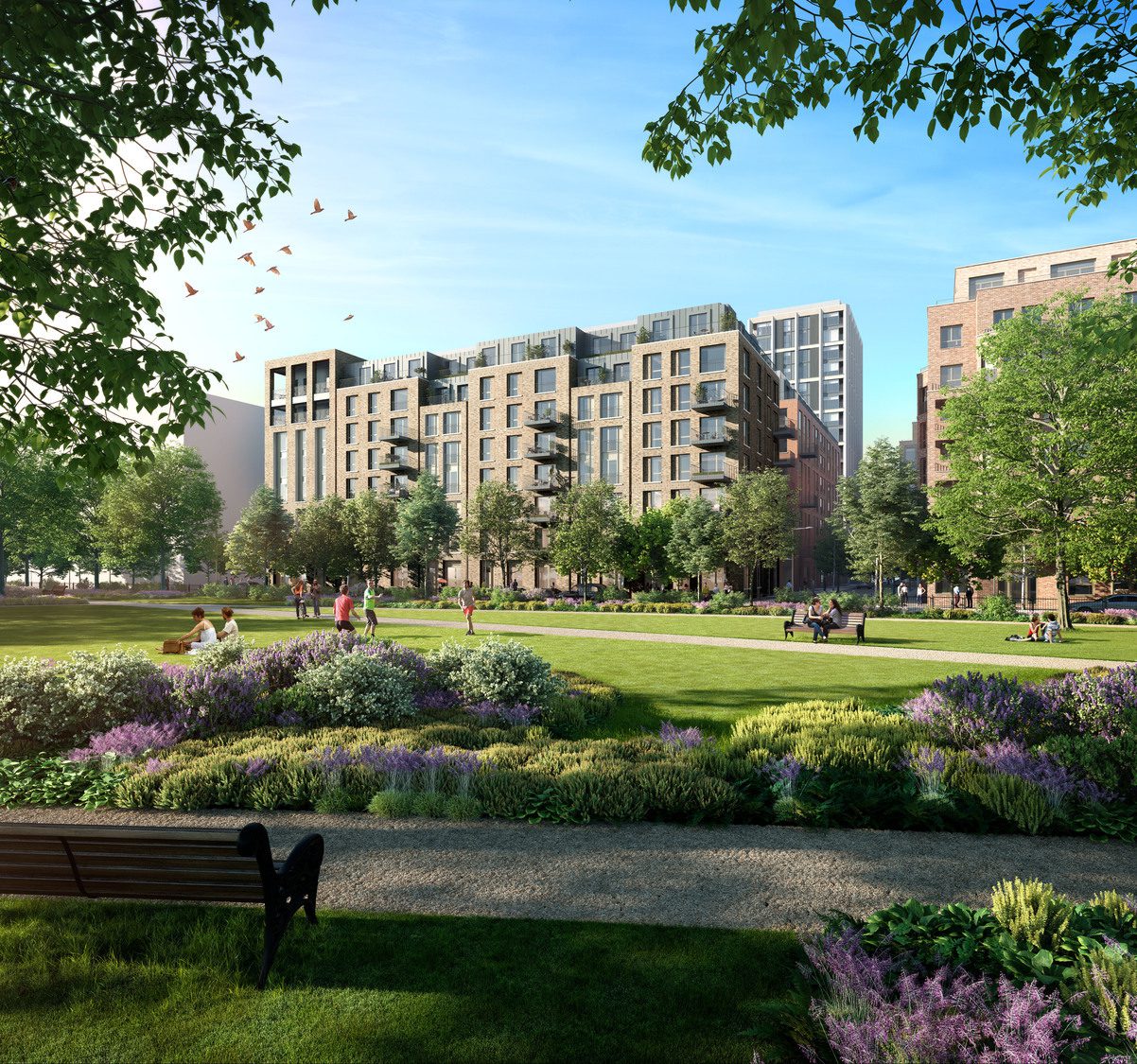
Alongside large-scale mixed-use developments, there is also a growing focus on the regeneration of existing town centres as destinations in their own right. Projects such as Chester Northgate and Bury Market demonstrate how targeted investment in civic spaces, markets and flexible retail can reintroduce activity and identity into established centres.
These schemes show that regeneration is not only about large-scale transformation, but also about carefully reworking existing places - creating spaces that support independent businesses, community use and local economies, while encouraging long-term footfall and relevance. Increasingly, this approach also brings significant sustainability benefits. Retaining and adapting existing structures can reduce embodied carbon and material demand, making regeneration not only a commercial and social opportunity, but an environmental one as well. In many cases, these considerations are now integral to early feasibility and viability assessments.
Creating a sense of place early can be a powerful catalyst for regeneration. It builds interest, encourages community engagement and establishes momentum before the permanent fabric of a neighbourhood is fully delivered. Meanwhile uses, cultural programming and temporary public spaces are increasingly part of this strategy, helping emerging districts develop identity long before the final phases are complete.
Masterplanning for adaptability
One of the clearest lessons from large regeneration programmes is that successful places rarely emerge from rigid masterplans. Instead, effective schemes treat masterplanning as a flexible delivery framework rather than a fixed blueprint. Regeneration often unfolds over many years, and plans must respond to changing markets, evolving regulation and community needs. This places increasing importance on planning strategies that embed flexibility from the outset, allowing schemes to evolve within an agreed framework rather than being constrained by overly fixed parameters.
“The most successful regeneration programmes today aren’t designed as finished schemes. They are structured to evolve, responding to market shifts, community needs and new opportunities over time.”
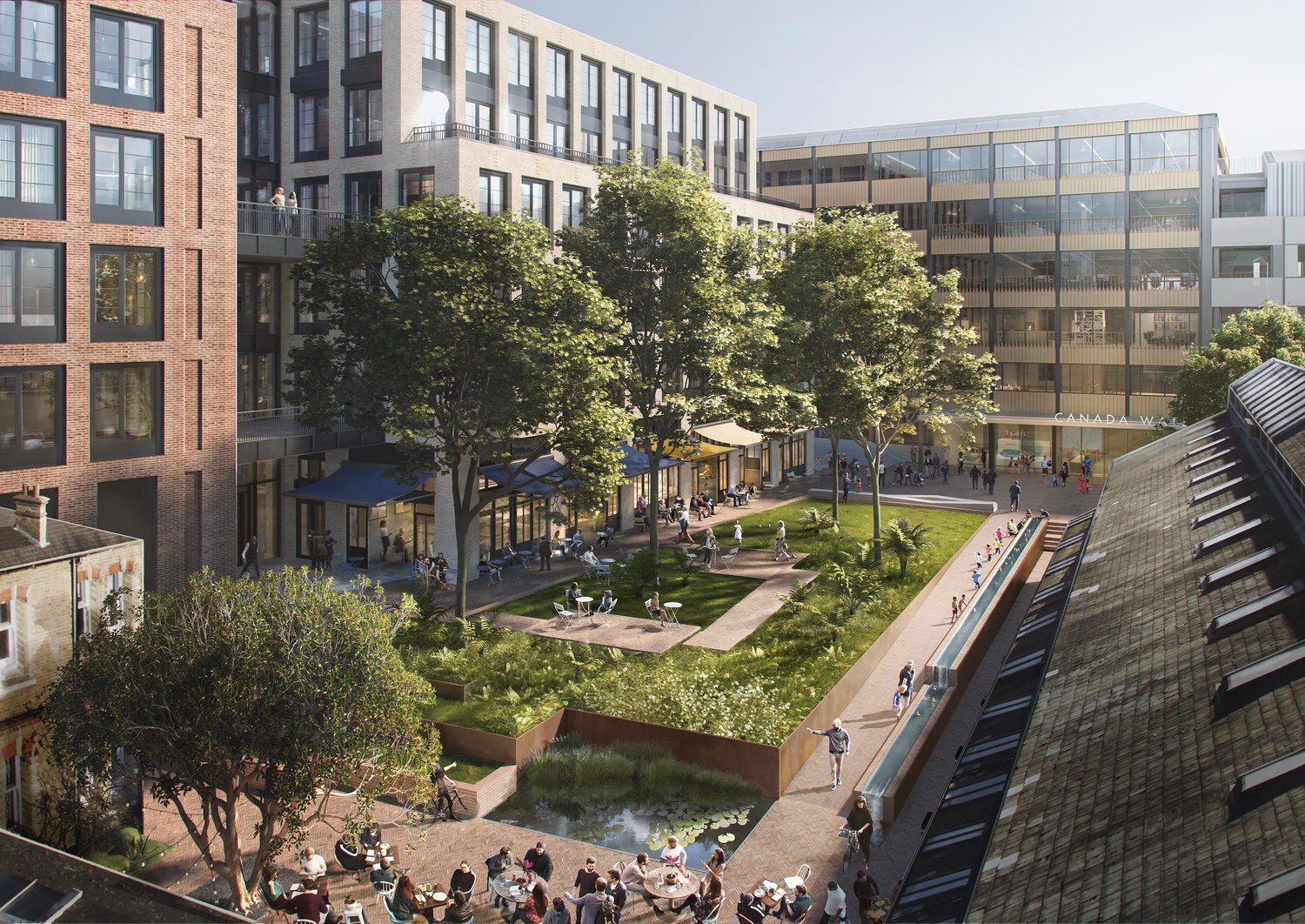
Projects such as Canada Water Masterplan, a 53-acre brownfield site incorporating much of the Surrey Quays area, demonstrate how this approach can work in practice. Early phases establish key infrastructure, public realm and anchor uses, creating the foundations for later phases that can respond to market demand as it evolves.
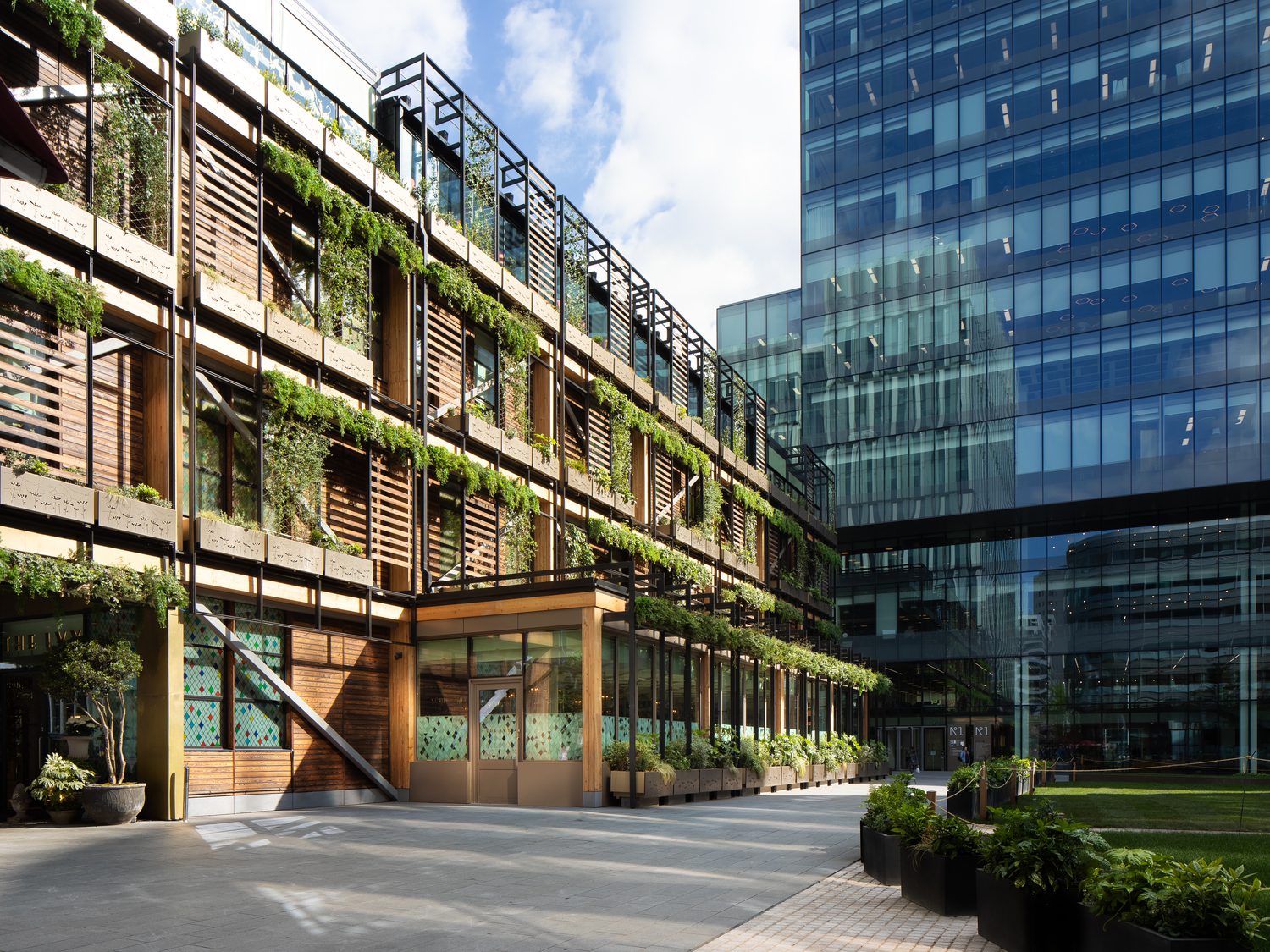
Similarly, Spinningfields in Manchester has been progressively developed over more than 20 years, transforming a previously underutilised area into a prime mixed-use district. G&T has supported the scheme from its early stages, helping to establish principles that have enabled its continued evolution in response to changing occupier demands and market conditions.
This incremental model also helps manage viability. By structuring development into deliverable phases, clients can review performance at each stage and adjust future plans accordingly.
In many ways, successful regeneration mirrors the way towns themselves evolve - through successive layers of development responding to changing circumstances. That evolution does not just shape the place - it also shapes the way regeneration must be delivered over time.
Longevity matters
Developments such as King’s Cross and Spinningfields, where regeneration began well before the financial crisis of 2008, illustrate how long regeneration programmes can run. Over that time, many partners, consultants and design teams will inevitably come and go.
Regeneration programmes often extend far beyond the typical lifecycle of a project team. Major masterplans can unfold over 5, 10, 20 or even 30 years, during which time markets shift, regulations evolve and project teams inevitably change.
Maintaining continuity of knowledge through that process can be critical. Long-term regeneration programmes benefit from advisers who understand the original intent of the masterplan, the assumptions that shaped early decisions and the practical lessons learned through previous phases.
One of the advantages of working with advisers who remain embedded in these programmes over the long term is the continuity they provide. At G&T, the longevity of our teams and partners means we are often involved in regeneration projects from their earliest stages through multiple phases of delivery. That continuity allows us to act as a consistent thread through the life of a project - helping to maintain the original vision while ensuring the programme continues to adapt to changing conditions.
For clients, that institutional knowledge can be invaluable. It provides a stable point of reference as regeneration evolves, ensuring that early principles around place, quality and viability remain aligned with later phases of delivery.
“The longevity of G&T’s teams means we are often involved in regeneration programmes over extended periods, even decades, providing a consistent thread of knowledge and judgement as they evolve.”
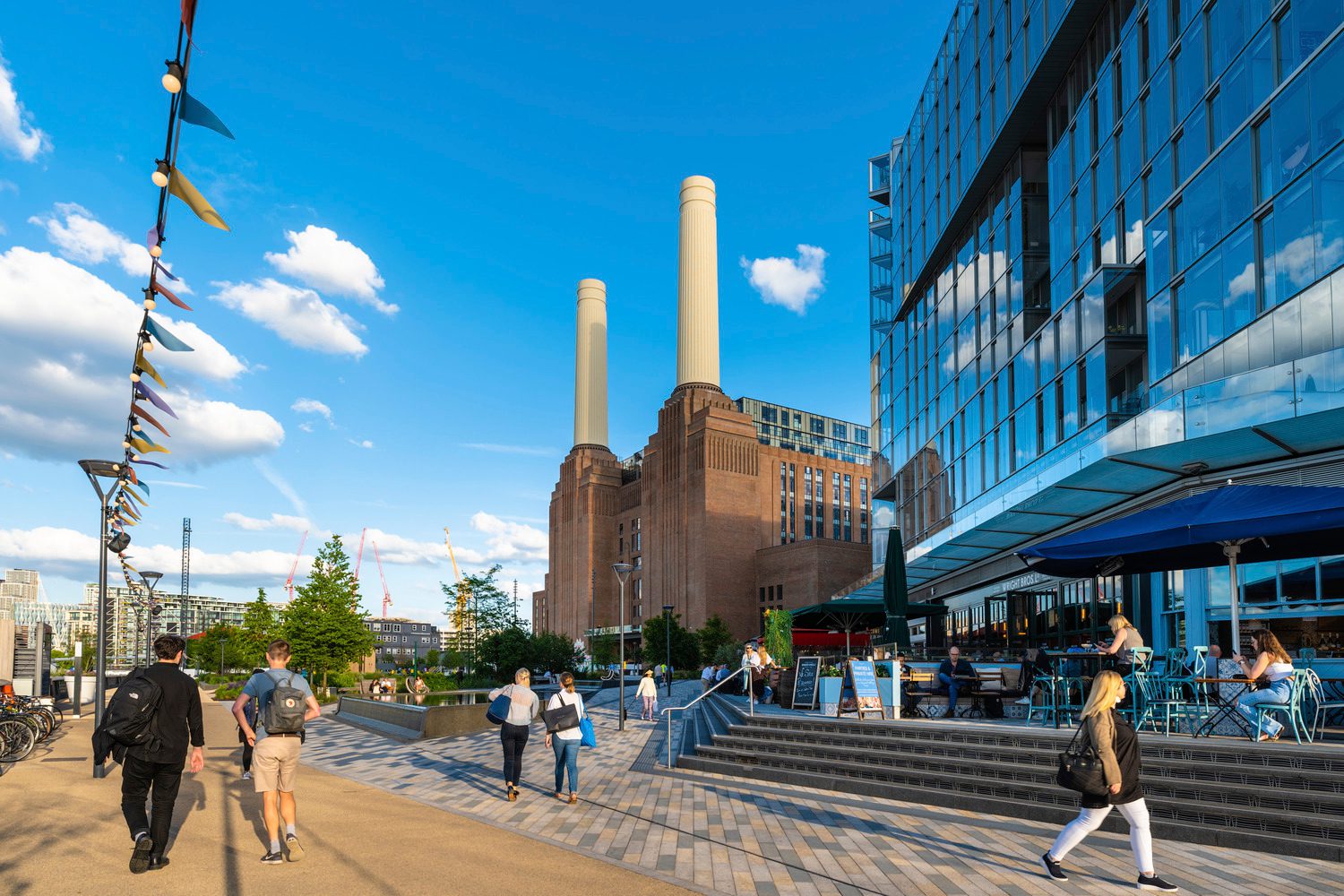
Over the past two decades, G&T’s involvement in some of London’s most significant regeneration programmes - including King’s Cross, Battersea Power Station, Spinningfields and Brent Cross Town - has also created a depth of experience that extends beyond individual projects. These long-term programmes generate a rich body of delivery data and practical insight, from infrastructure sequencing and phasing strategies through to cost planning across multiple market cycles.
That accumulated knowledge allows masterplans to be interrogated more effectively as they evolve. Rather than treating each phase in isolation, it becomes possible to draw on comparable stages from other schemes, understand where assumptions have previously held or shifted, and apply those lessons in real time.
The invisible infrastructure behind successful places
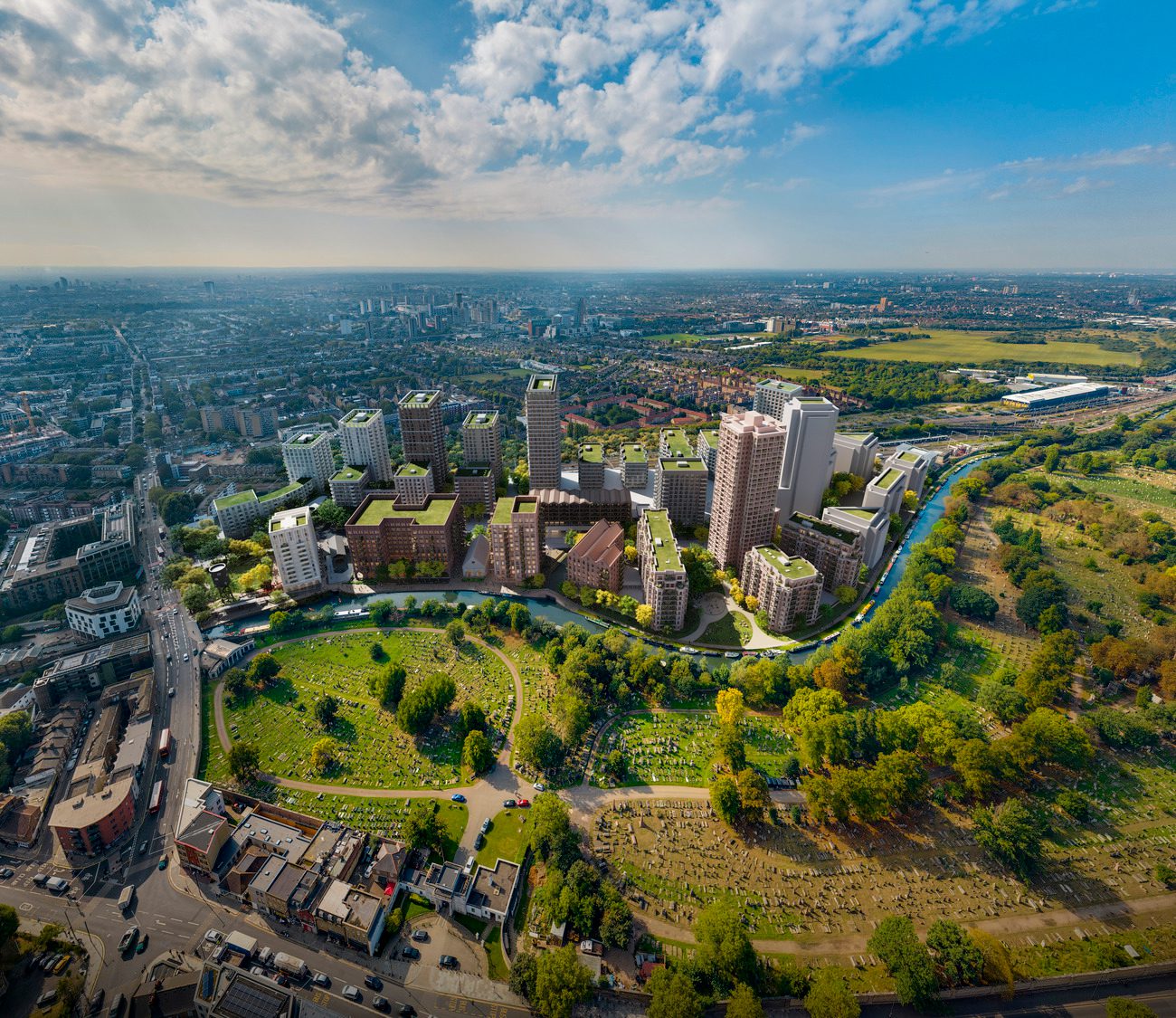
While buildings and public spaces are the visible outcomes of regeneration, the underlying infrastructure often determines whether a scheme can succeed. Transport, utilities, energy and digital infrastructure all shape both the viability and delivery of regeneration programmes. Schemes like Ladbroke Grove, a major regeneration opportunity on an 18-acre site, require the integration of large-scale infrastructure and below-ground service diversions while causing minimal disruption to the operational rail corridor and neighbouring areas.
Increasingly, this infrastructure also includes the operational uses that support modern urban life. Last-mile logistics, servicing and food production are becoming integral components of town centre environments, often designed to sit discreetly within wider schemes. While less visible, these uses are essential to ensuring that mixed-use developments function effectively and can support the way people live, work and consume.
Utilities provision in particular remains one of the most common sources of uncertainty. Assumptions made during masterplanning can change significantly once detailed engagement with providers begins, often affecting cost and programme.
Energy strategies have also evolved rapidly. Many early masterplans proposed centralised energy centres or district heating systems. Advances in building-level technologies, such as low-energy lighting, passive environmental strategies, photovoltaics and air source heat pumps, have in many cases proved more efficient and flexible. These approaches can reduce demand on the grid and provide greater flexibility for the delivery of individual plots within wider masterplans.
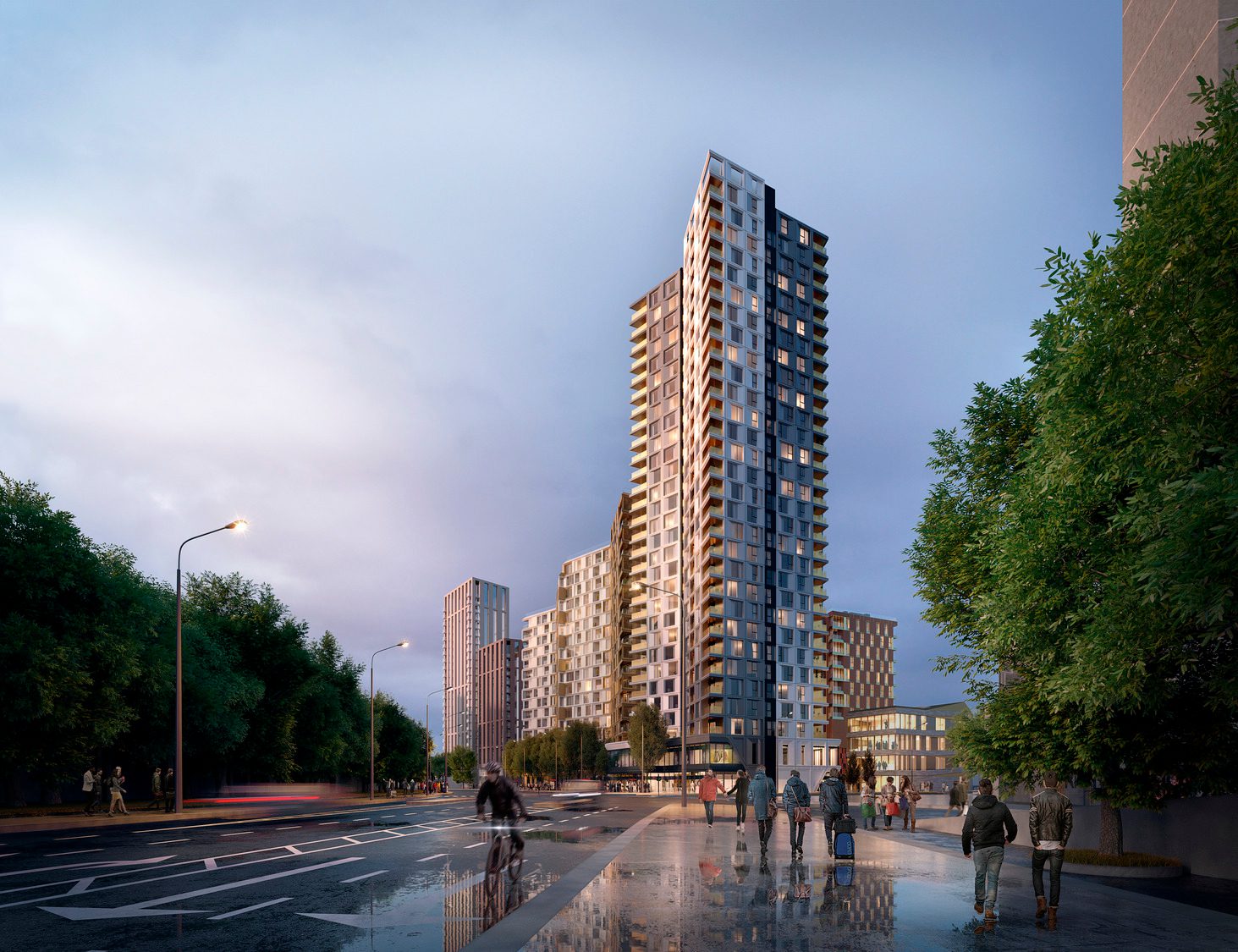
Projects such as Lewisham Gateway demonstrate how coordinated investment in transport infrastructure, highways and public realm can unlock regeneration while managing delivery risk.
Public realm itself plays a crucial role. Well-designed streets, squares and green spaces not only improve quality of life but also support commercial success by encouraging dwell time and strengthening place identity.
Managing complexity through integrated cost thinking
Town centre regeneration programmes combine multiple cost drivers that must be understood collectively. Infrastructure works, different building typologies, landscape design, energy systems and phased delivery all interact to shape overall viability including increasingly the carbon implications of different design and delivery strategies.
An integrated cost management approach allows these relationships to be tested early. Evaluating different development scenarios and phasing strategies helps clients understand the implications of design decisions and infrastructure requirements.
Phasing is particularly important. Delivering viable phases allows regeneration to progress even in uncertain markets, while meanwhile uses can generate activity and value during transitional periods.
Maintaining cost discipline as schemes move from masterplan to individual plots is a consistent challenge. As multiple architects and design teams become involved, balancing design ambition with commercial realism becomes critical to ensuring the wider vision remains deliverable.
In practice, each phase should be seen as an opportunity to actively revisit the wider masterplan rather than simply progressing the next building in sequence. Changing market conditions, updated infrastructure assumptions or shifts in demand can all influence whether earlier strategies remain optimal - and whether future phases should be adapted accordingly.
A more effective approach is to use each phase as a point of review, not only testing current delivery, but interrogating future phases through data-led cost modelling, reassessing viability and ensuring that the overall programme remains aligned with its original objectives. This creates a continuous feedback loop between delivery and strategy, rather than a linear progression of individual plots.
What this means for clients
Town centre regeneration is becoming both more complex and more opportunity-rich. Developers, investors and public bodies are increasingly expected to deliver schemes that combine commercial viability with social value, sustainability and long-term adaptability. These priorities are not always perfectly aligned, and managing the tension between them is often where the real challenge lies. Early strategic advice therefore becomes essential.
Understanding infrastructure constraints, testing phasing strategies, evaluating energy solutions and balancing design ambition with commercial viability significantly improve the chances of successful delivery.
Most importantly, regeneration programmes benefit from an integrated approach that brings together planning, design, cost and programme strategy from the outset. When these elements align, regeneration can deliver far more than individual developments - it can create places that support communities, attract investment and remain resilient for decades to come.
How G&T Helps
Successful town centre regeneration depends on more than good planning. It requires the ability to manage complexity over time - balancing commercial viability, infrastructure delivery, design ambition and long-term place quality across multiple phases.
G&T supports clients by taking a programme-wide view of regeneration from the outset. Integrated cost and programme analysis allows development options, infrastructure strategies and phasing approaches to be tested early, providing a clear evidence base for decision-making.
Our long-term involvement in major regeneration programmes has created a depth of insight that goes beyond individual projects. By combining data from comparable schemes with direct delivery experience, we help clients understand how strategies are likely to perform in practice - and where assumptions may need to be challenged.
Crucially, our role does not stop at initial planning. As regeneration progresses, we continue to work with clients to reassess future phases, using data-led cost modelling and real-time market insight to ensure that the programme remains viable and aligned with its long-term objectives.
That continuity allows us to act as a consistent thread through the life of a project - maintaining the original vision while supporting the adjustments needed as circumstances evolve.
Town centre regeneration is ultimately about shaping places that can adapt and endure. By combining strategic clarity, detailed analysis and long-term involvement, G&T helps clients make informed decisions that stand up over time.


